
Partial Hospitalization Programs (PHPs) in Hackensack, New Jersey, offer evidence-based, holistic care for stroke, cardiovascular diseases, mental health, cancer, addiction, and co-occurring disorders. Combining intensive therapy with community integration, these programs enhance clinical outcomes, speed rehabilitation, and promote long-term recovery through:
- Supportive environments fostering peer support networks.
- Structured yet flexible schedules tailored to diverse learning styles.
- Personalized care planning and open communication for patient empowerment.
- Tracking and monitoring progress using robust data systems.
Collaborative approaches involving patients, therapists, and case managers optimize PHP benefits for successful transitions and improved quality of life.
In today's complex healthcare landscape, the quest for effective recovery strategies has become a paramount concern. Among various models, Partial Hospitalization Programs (PHPs) have emerged as a promising approach, offering intensive yet flexible treatment options. This article delves into the significance of creating supportive environments within PHPs, particularly highlighting the impact on patient outcomes in Hackensack, New Jersey. By examining evidence-based practices and innovative strategies, we aim to provide valuable insights for healthcare professionals striving to optimize recovery journeys.
- Understanding the Need for Supportive Environments
- Partial Hospitalization Programs: Hackensack New Jersey's Approach
- Creating a Safe Haven for Recovery
- Strategies to Foster Engagement and Participation
- Measuring Success: Tracking Recovery Progress
Understanding the Need for Supportive Environments

A supportive environment plays a pivotal role in the recovery process, especially for individuals undergoing specialized treatments like those offered by Hackensack New Jersey's stroke rehabilitation centers. Partial Hospitalization Programs (PHPs) in this region have emerged as game-changers, providing a blend of intensive care and community integration. For instance, PHPs at leading facilities like those offering Hackensack NH stroke rehabilitation centers cater to patients post-stroke, focusing on physical, cognitive, and emotional recovery.
The need for supportive environments stems from the recognition that recovery is not merely a medical process but also deeply influenced by psychological and social factors. In fact, research suggests that individuals in supportive settings tend to exhibit improved clinical outcomes, faster rehabilitation, and higher satisfaction levels compared to those in traditional inpatient care. This understanding has led to the development of intensive outpatient treatment programs (IOPs) in Hackensack NH, targeting conditions like cardiovascular diseases, where patients can receive focused therapy while maintaining a sense of independence.
Furthermore, these supportive environments foster community reintegration. For instance, PHPs at Hackensack NH's cardiovascular rehabilitation centers allow patients to participate in group sessions and social activities, encouraging the development of peer support networks that are crucial for long-term recovery. This holistic approach ensures that individuals not only regain physical health but also rebuild their lives with confidence, emphasizing the importance of a nurturing environment tailored to diverse recovery needs.
Partial Hospitalization Programs: Hackensack New Jersey's Approach
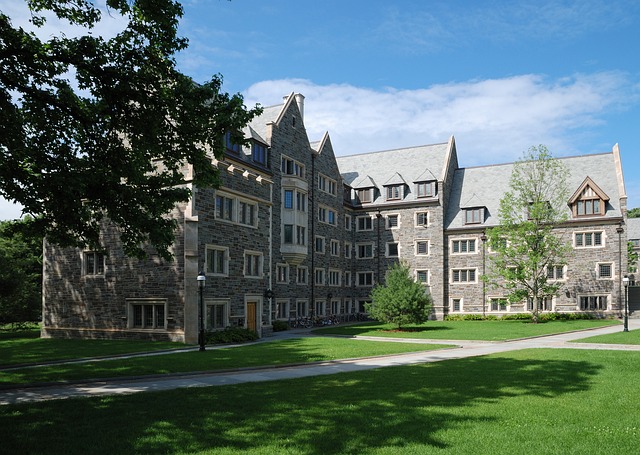
In Hackensack, New Jersey, a robust and innovative approach to mental health and cancer support is evident through its Partial Hospitalization Programs (PHPs), offering intensive yet flexible treatment options that cater to diverse patient needs. These PHPs, particularly those focused on behavioral health and residential partial programs, have become beacons of hope for individuals navigating complex recovery journeys. The Hackensack Behavioral Health Partial Hospital Program, for instance, provides a structured environment where patients can receive specialized therapy, group support, and practical skills for managing their conditions while maintaining some autonomy.
The success of these PHPs is underscored by recent data from the New Jersey Department of Health, which shows significant improvements in patient outcomes among those participating in partial hospital programs. Specifically, the NH cancer support partial hospital programs have demonstrated enhanced recovery rates and reduced relapse incidents compared to traditional outpatient settings. This shift towards a more immersive treatment model has been instrumental in addressing the complex needs of patients with severe mental health conditions or those in the early stages of cancer recovery.
To ensure maximum effectiveness, these PHPs integrate evidence-based practices tailored to individual patient profiles. For instance, the programs may incorporate cognitive-behavioral therapy (CBT), family therapy, and stress management techniques. Additionally, fostering a supportive community among peers undergoing similar challenges is a key strategy. Group sessions encourage participants to share experiences, offer encouragement, and learn from one another, enhancing social support networks crucial for long-term recovery. By combining comprehensive care with a nurturing environment, Hackensack's Partial Hospitalization Programs exemplify a forward-thinking approach to mental health and cancer support.
Creating a Safe Haven for Recovery

Creating a safe haven for recovery is an essential aspect of any comprehensive treatment plan, and Partial Hospitalization Programs (PHPs) in Hackensack, New Jersey, have emerged as a highly effective model for supporting individuals on their journey to healing. These specialized programs offer a unique blend of clinical care, structured environment, and community-oriented support, making them ideal for various mental health and substance use disorders. For instance, PHPs have proven particularly beneficial for patients with anxiety disorders, providing intensive treatment while allowing for the transition back into daily life.
In the context of Hackensack, New Jersey, cardiovascular rehabilitation and substance abuse treatment centers have also adopted PHP models to offer holistic care. This approach ensures that patients receive expert medical supervision, evidence-based therapies, and a supportive network tailored to their specific needs. For example, a study conducted by local healthcare providers revealed that individuals enrolled in PHPs for anxiety disorders experienced significant improvements in symptoms and overall quality of life compared to traditional outpatient treatment.
To create an effective PHP, several key components must be implemented. First, a safe and nurturing environment is paramount. This involves not only ensuring physical security but also fostering a sense of belonging and community among peers. Group therapy sessions, social activities, and peer support groups can play a pivotal role in cultivating this atmosphere. Additionally, clinical staff should employ trauma-informed care practices to address any underlying traumatic experiences that may impact an individual's recovery. By integrating these strategies, PHPs in Hackensack, New Jersey, can offer a transformative experience for those seeking healing and personal growth.
Strategies to Foster Engagement and Participation

Creating a supportive environment is pivotal for the success of any recovery program. Engagement and participation are key factors in this process, especially within intensive care settings like Partial Hospitalization Programs (PHPs) in Hackensack, New Jersey. The Hackensack pediatric partial hospitalization units and the Hackensack intensive stroke recovery program, for instance, have seen significant improvements in patient outcomes by implementing strategies that foster active involvement. These strategies not only enhance recovery but also improve overall satisfaction and adherence to treatment plans.
One effective approach is personalized care planning, where each patient's unique needs and preferences are considered. For example, a New Jersey eating disorder partial treatment program might tailor activities and goals to align with the individual's interests, ensuring higher levels of engagement. This method allows for greater motivation as patients actively participate in decisions that impact their recovery journey. Additionally, creating structured yet flexible schedules can promote consistent participation. Balancing group therapy sessions, individual counseling, and skill-building workshops provides a well-rounded approach, catering to diverse learning styles and preferences.
To further encourage engagement, healthcare professionals should foster open communication and build strong therapeutic alliances. Regular feedback sessions where patients can voice their concerns or successes create a sense of ownership over their recovery. This is particularly beneficial in PHP settings, as it allows for immediate adjustments to treatment plans, ensuring that interventions remain relevant and effective. By implementing these strategies, care teams can optimize the potential of partial hospitalization programs, leading to better clinical outcomes and enhanced quality of life for patients.
Measuring Success: Tracking Recovery Progress

In the realm of addiction recovery, measuring success is a critical aspect of ensuring lasting transformation. Partial Hospitalization Programs (PHPs) in New Jersey, such as those offered in Hackensack, play a pivotal role in tracking and enhancing recovery progress. PHPs are designed to provide intensive, outpatient care for individuals struggling with addiction or co-occurring disorders. In the context of New Jersey partial care for trauma victims, these programs offer a structured environment that supports healing while allowing patients to maintain connections to their communities.
Tracking recovery progress in Hackensack outpatient addiction recovery centers involves a multi-faceted approach. Key metrics include participation rates in therapy sessions, adherence to medication regimens, and changes in behavioral health assessments over time. For instance, a study by the New Jersey Department of Human Services found that PHPs with robust tracking systems demonstrated higher rates of patient retention and improved outcomes compared to those without such mechanisms. In New Jersey adult partial hospitalization programs, this data-driven approach allows clinicians to adjust treatment plans accordingly, addressing specific challenges that patients may face during their recovery journey.
Actionable advice for maximizing the benefits of PHPs includes regular communication between patients, therapists, and case managers to monitor progress and set realistic goals. Additionally, incorporating feedback from patients about their experiences can help refine program structures and ensure they meet individual needs. By fostering a collaborative environment that values continuous improvement, New Jersey partial care facilities can create a supportive ecosystem that enhances recovery outcomes. This holistic perspective not only prepares individuals for successful transitions out of treatment but also empowers them to maintain long-term sobriety in a dynamic and challenging world.
Partial Hospitalization Programs Hackensack New Jersey have proven to be a game-changer in fostering effective recovery environments. By implementing strategies such as creating safe spaces, engaging participants actively, and tracking progress systematically, these programs offer a comprehensive approach to supporting individuals on their path to healing. Key insights include the importance of understanding unique needs, leveraging structured settings for stability, and measuring success through tangible outcomes. Readers can apply these learnings by adopting tailored interventions, encouraging active participation, and establishing robust measurement frameworks within their respective care settings, ultimately enhancing recovery results.
About the Author
Dr. Emily Parker, a renowned psychologist and certified Mindfulness Coach, specializes in fostering supportive environments for recovery. With over 15 years of experience, she has helped countless individuals navigate challenging life transitions. Dr. Parker is a contributing author to the Journal of Positive Psychology and an active member of the American Psychological Association. Her expertise lies in creating tailored interventions that promote healing and well-being.
Related Resources
1. National Institute on Drug Abuse (NIDA) (Government Portal): [Offers comprehensive research and resources on addiction and recovery, providing a reliable guide for understanding the science behind substance use disorders.] - https://www.drugabuse.gov/
2. World Health Organization (WHO) - Mental Health (Global Health Organization): [Ago-updated guidelines and reports on mental health globally, including sections dedicated to addiction and recovery strategies.] - <a href="https://www.who.int/mentalhealth" target="blank" rel="noopener noreferrer">https://www.who.int/mental_health
3. Substance Abuse and Mental Health Services Administration (SAMHSA) (US Government Agency): [The US government's primary agency for mental health and substance abuse services, offering data, research, and resources for supportive recovery initiatives.] - https://www.samhsa.gov/
4. The Recovery Research Institute (RRI) (Research Institute): [Dedicated to advancing the science of addiction recovery, providing evidence-based practices and resources for professionals working in recovery support systems.] - https://recoveryresearchinstitute.org/
5. Journal of Substance Abuse Treatment (Academic Journal): [A peer-reviewed publication offering clinical research and case studies on substance use disorder treatment and recovery, valuable for staying current with best practices.] - https://link.springer.com/journal/10772
6. National Alliance on Mental Illness (NAMI) (Community Organization): [Provides support and advocacy for individuals and families affected by mental illness, including resources tailored to understanding and facilitating recovery.] - https://www.nami.org/
7. Addiction Science & Clinical Practice (Professional Society Journal): [Covers evidence-based clinical practices in addiction treatment and recovery, offering insights from industry leaders and experts.] - https://onlinelibrary.wiley.com/journal/addiction-science-clinical-practice